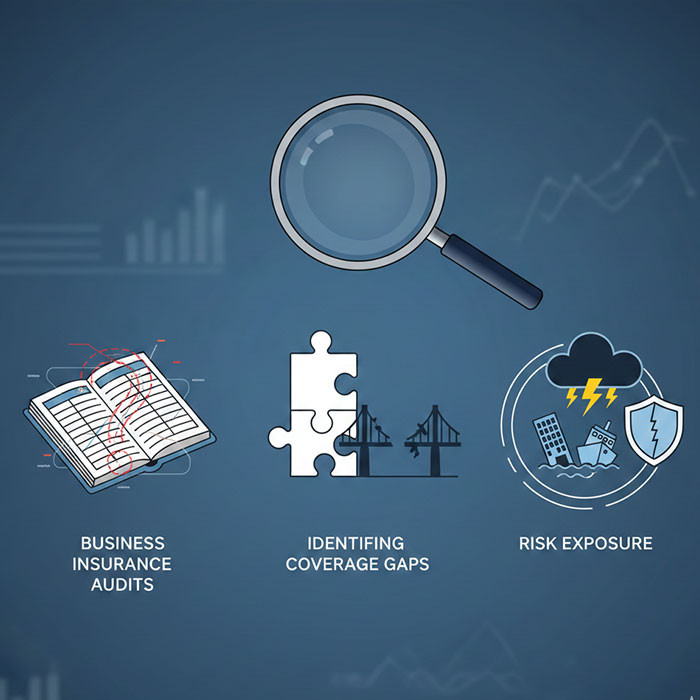
Insurance is one of those business expenses that often gets overlooked during routine financial reviews. Many SMEs purchase their policies and file them away, only pulling them out when renewal notices arrive. But without a proper insurance audit, you might find yourself paying for coverage gaps that don't protect your actual business operations, or worse, discovering during a claim that you weren't covered when you needed it most.
A business insurance audit examines your current policies against your actual operational risks. It's a practical exercise that typically involves three key elements: understanding what you do, identifying where things could go wrong, and then checking whether your insurance matches those risks. The goal isn't necessarily to add more policies - it's to ensure you have the right protection for your specific business model.
Why Insurance Audits Matter for UK Businesses
In the UK, businesses have legal obligations that vary by sector. A construction company needs different protection than a digital marketing agency. A manufacturer handling chemical processes needs coverage that a retail shop doesn't. The problem is that many businesses start with standard packages that may miss sector-specific exposures.
Liability alone covers several categories. Professional indemnity protects you if your work causes financial loss to a client. Public liability covers claims from members of the public injured on your premises. Employers' liability is mandatory if you have staff, with typical covers recommended at £10 million. Cyber insurance, which many businesses now need, covers data breaches and ransomware attacks. Product liability protects against defects in products you've sold or distributed.
Many businesses have overlapping policies and gaps at the same time. You might have excellent public liability cover but inadequate cyber insurance. You might be paying for directors and officers liability you don't need while missing statutory liability coverage you do.
The Audit Process
A proper insurance audit starts with documenting what your business actually does. This means listing your main income sources, your employees and contractors, the locations you operate from, any equipment or vehicles used, and any services you provide. This takes time and usually requires input from different departments. Finance people might know about assets, but operations staff understand the daily risks.
Next comes risk identification. This is where insurance professionals ask tough questions. What could happen that would impact your business? That ranges from straightforward things like a customer slipping on your premises, to less obvious risks like regulatory fines or key person loss. For many UK businesses, cyber threats have become a significant operational risk that older insurance packages simply don't address.
Then comes the matching process - comparing your identified risks against what your actual policies cover. This requires reading through policy documents, understanding exclusions, and checking coverage limits. Many policies have maximum payouts that are lower than the actual cost of the risk they're meant to cover. A £2 million public liability cover might sound adequate until you realise the real cost of a serious injury claim at your site could exceed that.
Common Coverage Gaps
In practice, several patterns emerge across UK businesses. Professional indemnity is frequently underinsured or missing entirely for service-based businesses. Someone in IT consulting, accounting, or management advice often works without adequate cover despite their liability exposure.
Cyber insurance is the most common gap in recent audits. Many businesses believe their general liability or property insurance covers data breaches. It doesn't. As cyber incidents have increased and regulatory penalties have risen, particularly with GDPR fines reaching £20 million or 4% of global revenue (whichever is higher), cyber coverage has become essential for most businesses handling customer data.
Directors and officers liability is often added automatically by brokers, resulting in unnecessary cost. Smaller businesses rarely need this cover. Conversely, contract liability is frequently overlooked, particularly for businesses that sign substantial contracts with clients or suppliers.
Underinsurance through inadequate limits is perhaps the most serious gap. Businesses set coverage limits based on guesses rather than actual exposure. A construction company might keep a £5 million limit unchanged for ten years, despite the firm doubling in size. This means they're underinsured and, critically, when a serious claim occurs, they might face contributory negligence deductions because they clearly didn't properly assess their risk profile.
Exclusions matter more than many business owners realise. Many standard policies exclude specific activities, locations, or business types. A manufacturing firm might find their general liability doesn't cover certain production processes. A consultancy might discover its cover doesn't extend to international assignments.
What to Expect from the Audit Report
A thorough audit report identifies each gap or concern, explains the potential impact, and recommends specific solutions. The best reports include cost implications so you can make informed decisions about which gaps to address. Not every risk requires insurance - some can be managed through other controls. The audit should help you decide which risks you need to insure, which you should manage internally, and which are acceptable business risks.
Many businesses are surprised by how straightforward the improvement process is. Often, a few policy adjustments, better coverage on selected items, or adding a new specific policy create substantially better protection without necessarily increasing total insurance spend. Sometimes it does cost more, but at least you know what you're paying for and why.
The timing of an insurance audit matters. It should align with business changes - if you've expanded into new locations, changed what you do, taken on new clients, or added significant assets, that's the time to review. It's also worth doing annually as part of your broader financial controls review.